
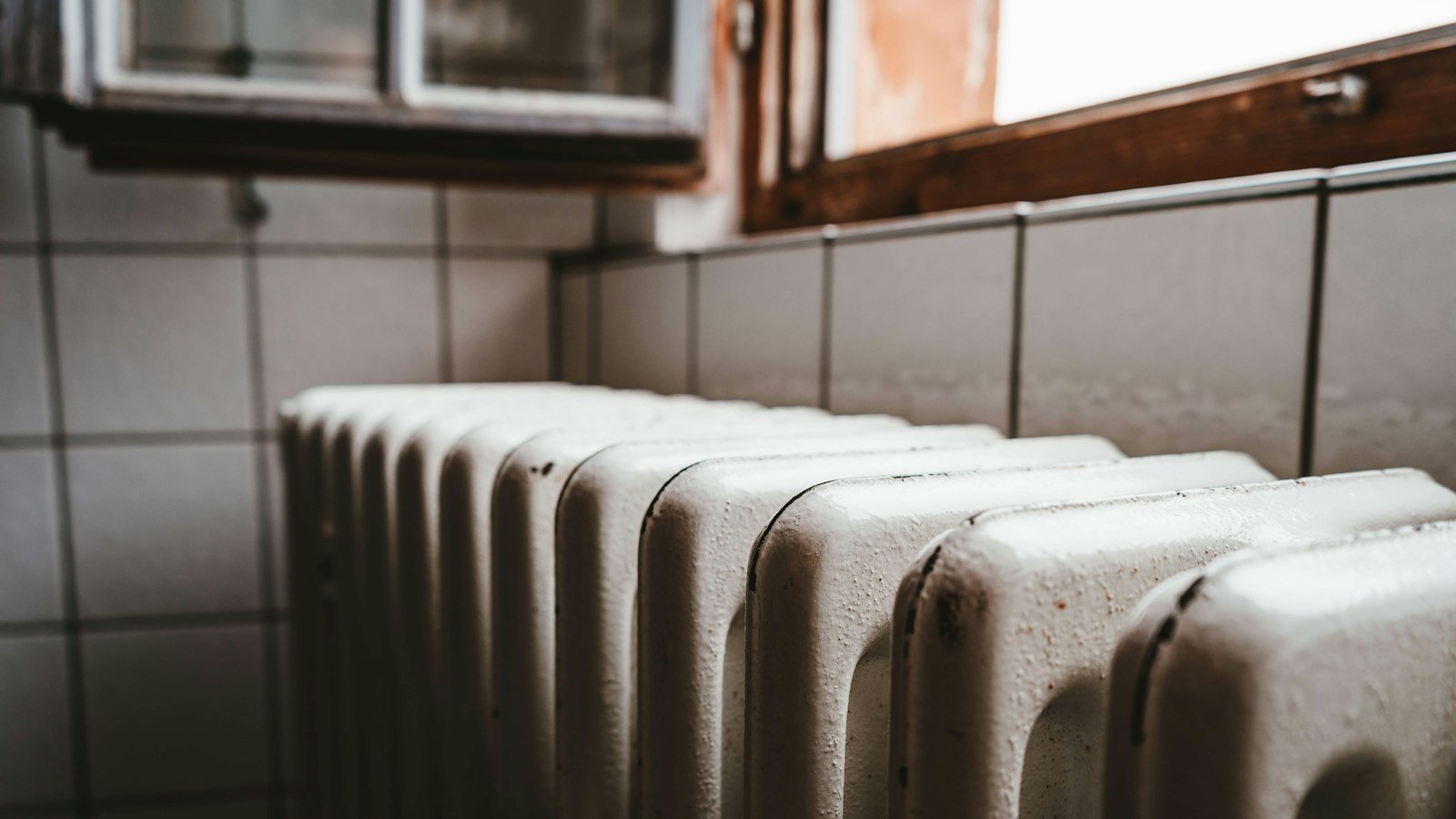
How much will the heater add to your bill? Pick your heater or geyser below, enter how you use it and the rate per unit from your electricity bill, and the calculator shows the units used and the monthly cost. The numbers update as you type.
Estimates only. Your actual bill depends on slab rates, fixed charges, taxes and how you use the appliance. Calculator by BachatPaisa.
How the calculator works
Room heaters
Electricity is billed in units, and one unit is 1,000 watts running for one hour (1 kWh). So a heater’s cost per hour is its wattage ÷ 1,000 × your rate. A 2,000 W fan heater at ₹8 a unit costs ₹16 an hour.
Heaters with a thermostat, especially oil-filled radiators, don’t draw full power all the time. Once the room reaches the set temperature, the element switches off and on to hold it. The on-time field accounts for that. If your heater has no thermostat, leave it at 100%.
Geysers
A geyser’s running cost depends on how much water it heats and by how many degrees, not on its size or wattage. Heating one litre of water by 1 °C takes 4.186 kJ of energy, so the calculator multiplies litres × temperature rise × 4.186, converts that to units, and allows 3% for losses in the element. A 2,000 W and a 3,000 W geyser cost the same to heat the same water. The higher-wattage one is just faster.
Storage geysers also lose heat through the tank walls while they sit hot. BEE calls this standing loss and prints it on the star label. If you switch the geyser off after baths, you can ignore it.
Typical monthly costs at ₹8 per unit
| Appliance and use | Units per month | Cost per month |
|---|---|---|
| 2,000 W fan heater, 3 hours a day | 180 | ₹1,440 |
| 400 W quartz heater, 4 hours a day | 48 | ₹384 |
| 2,400 W oil-filled radiator, 8 hours a night, 60% on-time | 346 | ₹2,765 |
| Geyser, 4 bucket baths a day (32 L, 15 → 55 °C), switched off after use | 46 | ₹368 |
| Geyser, same use, left on all day (0.5 units/day standing loss) | 61 | ₹488 |
These are worked examples using the calculator’s own formulas. Your real bill depends on your state’s slab rates, fixed charges and taxes.
Five ways to cut your winter bill
- Use the thermostat: set the room to about 20–22 °C rather than running the heater flat out
- Heat the room before bed, then switch to a lower setting
- Set the geyser to 50–55 °C and switch it off after the last bath
- Close the doors and curtains of the room you’re heating
- Pick the right heater for the job: a quartz heater for a desk, an oil heater for long hours. Our guide on which heater is best for a room explains the trade-offs
Related guides: Best room heaters in India · Best geysers in India · Winter heater and geyser safety checklist.
Frequently asked questions
How much electricity does a 2000 W room heater use?
2 units (kWh) for every hour at full power. At ₹8 a unit, that’s ₹16 an hour. A heater with a thermostat uses less, because it switches off once the room is warm.
How much does a geyser cost per month in winter?
For a family of four taking bucket baths, a geyser heating about 32 litres a day from 15 °C to 55 °C uses roughly 1.5 units a day. That’s about 46 units a month, or roughly ₹370 at ₹8 a unit. Keeping it on all day adds its standing loss.
Is an oil-filled radiator cheaper to run than a fan heater?
Per hour at full power, no: an OFR is often rated higher, at 2,400–2,900 W. But its thermostat cycles it off once the room is warm, and the oil keeps radiating heat, so over a long evening it can use about the same or less while feeling more comfortable.
Does switching off the geyser after use save electricity?
Yes. A storage geyser left on all day keeps reheating to make up for heat lost through the tank walls. The BEE star label lists this as standing loss. Switching it off after baths removes most of that cost.
How do I find my electricity rate per unit?
Look for the energy charge per kWh (unit) on your electricity bill. Many states charge more per unit as monthly usage rises, so winter heating can push you into a higher slab.